(Cadn.com.vn) – Painter Ngô Mạnh Quỳnh was one of the artists from the same generation as renowned names such as Trần Văn Cẩn, Tô Ngọc Vân, and Nguyễn Gia Trí. He was also known as an illustrator for various newspapers of the past, especially children’s publications.
Born into a middle-class family in Hanoi, Ngô Mạnh Quỳnh completed his high school education at Bưởi School before enrolling in the Indochina College of Fine Arts. After graduating, he became a teacher and collaborated with numerous newspapers, contributing illustrations to many children’s magazines.
In the realm of Vietnamese comic art, Quỳnh began drawing stories such as “Kaoco” at the young age of 17 or 18. By 1935, he had become a leading illustrator for the children’s newspaper Cậu Ấm – Cô Chiêu. His illustrations for the Vietnamese translation of La Fontaine’s fables were particularly engaging and deeply infused with Vietnamese identity. Poet Vũ Đình Liên remarked, “Students memorized La Fontaine in part thanks to the illustrations by (artist) Mạnh Quỳnh in this fable collection.”
In his illustrated version of The Tale of Kiều, Quỳnh portrayed modern women dressed in Cát Tường-style áo dài — the predecessor of the modern Vietnamese áo dài. Later in life, he was also the first person in Vietnam to create paper animation films, including Thạch Sanh, and founded the country’s first children’s puppet troupe.
Driven by the desire to preserve and promote national spirit through traditional fine arts, in 1947, during the resistance war based in the Việt Bắc war zone, he established a lacquer painting workshop. He was also the artist who designed the first two currency notes for the Democratic Republic of Vietnam.
President Hồ Chí Minh’s revolutionary life served as a lasting source of inspiration for Mạnh Quỳnh. Passionate about Vietnamese history and culture throughout his life, he illustrated classics such as Chinh phụ ngâm (The Lament of the Warrior’s Wife), Lục Vân Tiên, and especially Kim Vân Kiều Truyện. His illustrations of The Tale of Kiều were enthusiastically received by readers. Eighty years later, they were selected for exhibition during the 250th anniversary of Nguyễn Du’s birth, which also marked the occasion when UNESCO recognized Nguyễn Du as a World Cultural Figure (late 2015).
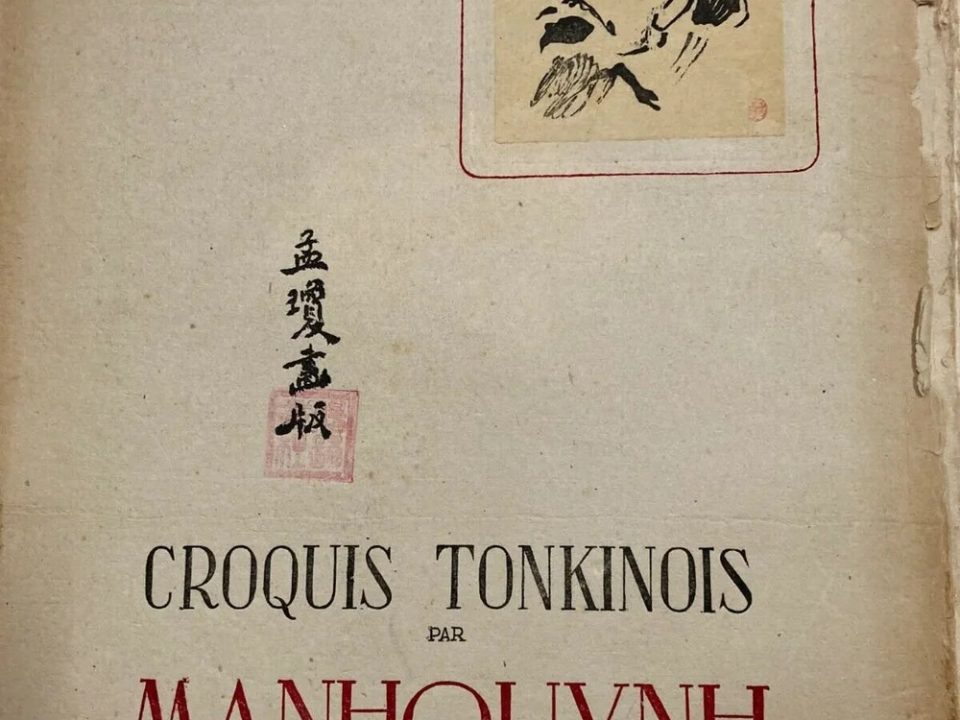
Mạnh Quỳnh was also a skilled ink wash painter who developed a distinct Vietnamese style. A book featuring 24 of his paintings captures the beauty of Vietnam — from the serene landscape of Hoàn Kiếm Lake to the vibrant life in rural villages across the country.

Portrait of Painter Ngô Mạnh Quỳnh
Recalling vivid memories of painter Mạnh Quỳnh, his younger brother Ngô Đình Châu shared:
“My brother lived a very disciplined life. He was passionate about sports and exercised daily—even during the cold northern winters, he would always bathe afterward, and always with cold water. He didn’t drink alcohol, hated gambling, and didn’t smoke. Every summer, he would go to Phú Thọ to practice martial arts with Governor Cung Đình Vận. He was kind-hearted, quiet, and reserved. If he made a promise, he always kept it. He was punctual in every task.”
“I still remember when we were young—while he painted, I would grind Chinese ink for him. He specialized in using cat-hair brushes. Every time our father returned from Yunnan, he would bring back many brushes and ink sticks for him. My brother used to buy children’s drawing books and made both me and our younger brother learn to draw. He wanted me to follow in his footsteps, but I wasn’t interested in art, so I got punished a lot. On the other hand, our youngest brother loved drawing. Unexpectedly, he later followed in our brother’s path and became a successful artist: painter Ngô Đình Chương. Later, Chương fulfilled my brother’s wish by working with the Hanoi Animation Studio, where he helped produce animated films such as Thạch Sanh and other short films whose names I no longer fully remember.”

Painter Mạnh Quỳnh: A Lifelong Devotion to the World of Childhood
All of his children followed in his artistic footsteps. His son, painter Ngô Quỳnh Giao, became the former Director of the Central Puppet Theater, while his daughter, Ngô Quỳnh Nga, also pursued a career in painting.
Mạnh Quỳnh passed away in 1991 at the age of 74.
The book “Mạnh Quỳnh – The Painter: Life and Artistic Career” features many valuable materials, including a letter from Prime Minister Phạm Văn Đồng sent to him on September 7, 1974, which reads:
“On this occasion of expressing thanks to the painter, I feel the need to reiterate a message to those working on the cultural and artistic front:
Our country is beautiful, our people are beautiful, our cause is beautiful—the soul of the artist must also be beautiful in order to create beautiful works.”
Tran Trung Sang
Original link: https://cadn.com.vn/hoa-si-ngo-manh-quynh-voi-the-gioi-tuoi-tho-post162947.html